What Is Consciousness Coaching? A Practical Guide

Consciousness coaching is a non-clinical coaching modality that addresses identity-level beliefs and recurring patterns rather than goals or behaviours alone. It works at the substrate that drives outcomes regardless of conscious decisions, using frameworks like the Magnetic Mind Method, Superconscious Recode, and integrated body-based protocols. Distinct from life coaching (which addresses the conscious-decision layer) and from clinical psychotherapy (which treats diagnosed conditions). Best fit: recurring patterns despite cognitive insight.
Key Questions Answered
How is consciousness coaching different from life coaching?
Life coaching addresses goals, behaviours, and accountability at the conscious-decision layer. Consciousness coaching addresses the identity beliefs that drive recurring patterns even when surface behaviour changes.
How is it different from psychotherapy?
Coaches do not diagnose, treat mental illness, or work with active clinical conditions. Coaching fits clients whose surface life is functioning but who experience recurring patterns that have not shifted with goal-focused approaches.
When does it work best?
Recurring relationship patterns. Public-speaking fear that has not responded to surface coping. Imposter syndrome despite track record. Money ceilings that persist with skill increases.
How long does an engagement run?
Six to twelve sessions for a specific pattern. Longer engagements (3-12 months) for broader life reorganisation. Sessions typically 60 to 90 minutes.
What evidence supports it?
Direct RCT evidence is limited. The underlying frameworks draw on neuroplasticity research, CBT, and biofield literature for integrated modalities.
In This Guide
Key Takeaways
- Consciousness coaching addresses the identity layer, not the goal-and-action layer that life coaching focuses on.
- Common frameworks include the Magnetic Mind Method, Superconscious Recode, and integrated Matrix Energetics work.
- Best fit: recurring patterns despite cognitive insight, identity reorganisation, and substrate work that goal-setting cannot reach.
- Limited direct RCT evidence; the underlying frameworks draw on neuroplasticity and CBT research.
- Coaches refer to clinicians for active clinical conditions. The coach-therapist boundary is real.
Listen to the deep-dive on this article
A two-host audio overview of the key ideas. Origins, mechanism, evidence, and what to expect. Useful when you would rather listen than read.
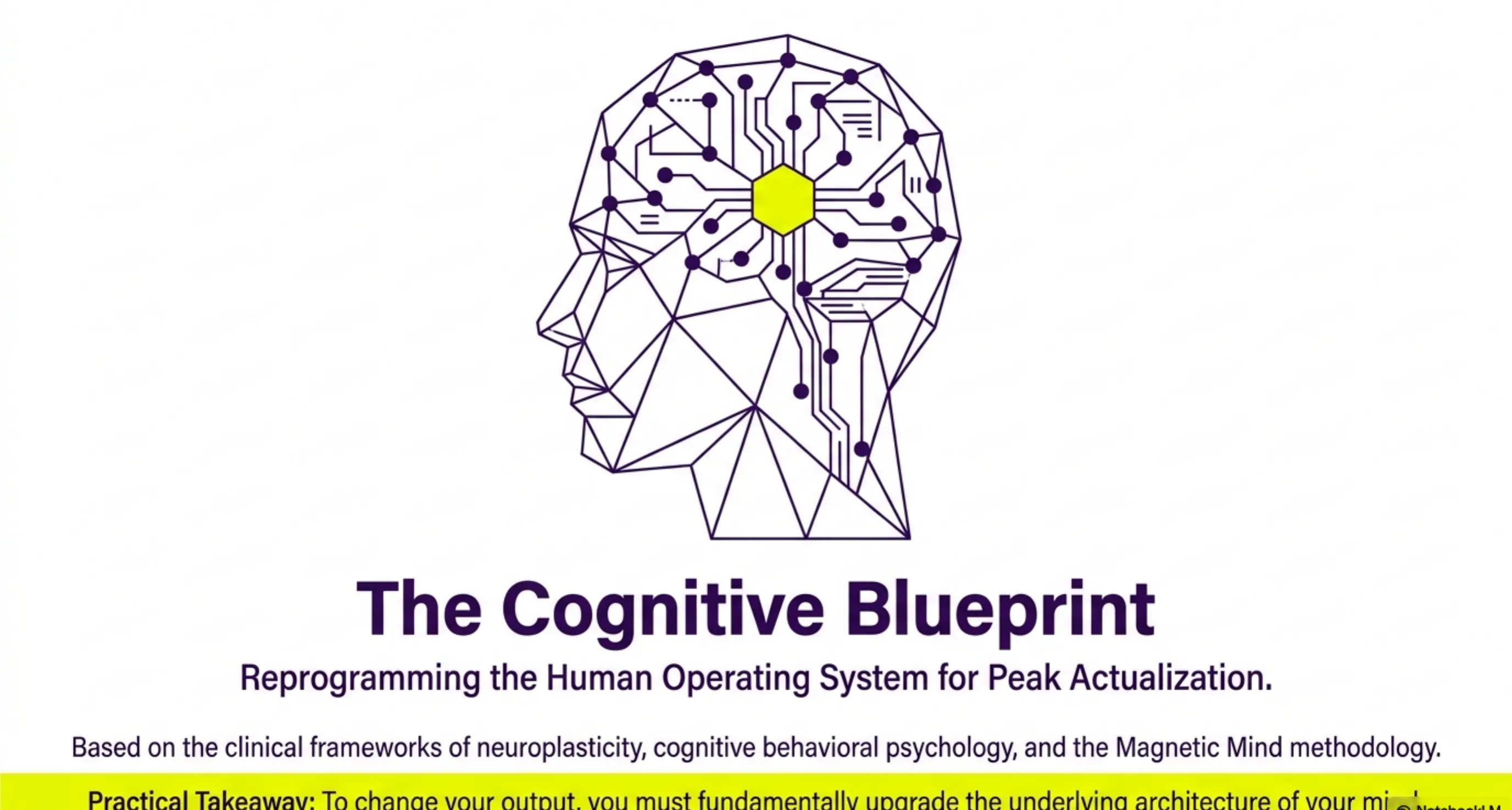
What Consciousness Coaching Actually Is
Consciousness coaching is a category of coaching that addresses the identity layer rather than the conscious-decision layer. Where life coaching focuses on goals, behaviours, and accountability, consciousness coaching focuses on the underlying beliefs and patterns that drive recurring outcomes even when surface behaviour changes.
The work is non-clinical. Coaches do not diagnose mental illness, treat clinical conditions, or substitute for psychotherapy. The modality fits clients whose surface life is functioning, who have done substantial cognitive and goal-setting work, but who experience recurring patterns that have not shifted despite that work.
Common frameworks within the category include the Magnetic Mind Method, Superconscious Recode, integrated Matrix Energetics work, and protocols that draw on Internal Family Systems, Schema Therapy, and Compassion-Focused Therapy elements adapted to a coaching context.
How It Differs from Life Coaching
Life coaching organises around what the client wants to do, build, or achieve. Goal-setting frameworks. Accountability structures. Skill-building. Strategic decisions.
Consciousness coaching organises around what the client keeps doing despite intentions to change. Recurring relationship patterns despite different partners. Career stalls at the same point despite different industries. Money ceilings that persist with each skill increase. The "I know better but I keep doing this" presentation.
Both modalities are valuable for different layers. Many clients benefit from combinations across layers. Life coaching for the strategic-execution layer. Consciousness coaching for the substrate-belief layer.
Common Applications
Imposter syndrome despite a track record of competence. The cognitive insight is there but the felt-sense persists. The work targets the underlying belief about worth or legitimacy.
Public-speaking fear that has not responded to surface coping. Three layers usually need addressing: autonomic arousal, cognitive distortion, and identity belief. Consciousness coaching addresses the third where CBT alone often does not reach.
Recurring relationship patterns with different partners. The pattern itself signals the substrate belief is intact even when surface variables change.
Money ceilings that persist despite skill increases. Often traces to substrate beliefs about deservedness or scarcity.
Post-loss identity reorganisation. After major loss, the roles that organised daily life are gone or changed. Consciousness coaching addresses identity-level reconstruction that grief therapy may not directly target.
What a Typical Session Looks Like
Sessions typically run 60 to 90 minutes. Most consciousness-coaching sessions follow a recognisable pattern.
Opening: brief check-in on work since last session. Identification: the specific pattern or belief being worked on this session. Tracing: where the belief came from. Examination: evaluating the belief against current evidence. Revision: structured processes to revise the belief. Integration: rehearsal of the revised belief in plausible future scenarios. Close: homework or daily-practice element.
Different frameworks use different protocols within this structure. Magnetic Mind Method uses specific belief-revision sequences. Superconscious Recode integrates the 2-Point technique with belief work. Schema-therapy-derived approaches use experiential techniques.
Evaluating a Practitioner Honestly
Five markers separate practitioners worth working with from practitioners worth avoiding.
Evidence-based framing. Honest about what the work does and does not do. Acknowledgement of limited RCT evidence base.
Specific scope. Clear about what they help with and what they do not. Explicit about not treating clinical conditions.
Conventional-care alignment. Asks about your existing care. Coordinates rather than competes. Never tells you to stop clinical treatment.
Reasonable claims. Six to twelve sessions of work to shift a specific pattern. No promises of dramatic transformation in a single session.
Honest pricing. Sessions in the $150 to $400 range are typical. Five-figure programmes that promise outcomes the coaching evidence base does not support are red flags.
The single best filter: ask the practitioner what their work will not do. The honest ones answer specifically.
Frequently Asked Questions
Is consciousness coaching evidence-based?
The category as a whole has limited direct RCT evidence. Specific frameworks within it draw on neuroplasticity research and structured belief-revision protocols. As a coaching modality, it operates with less RCT-rigour expectation than evidence-based clinical treatments.
How much does it cost?
Sessions typically run $150 to $400. Course length of 6 to 12 sessions for specific pattern work. Insurance does not cover coaching.
How do I evaluate a practitioner?
Look for evidence-based framing, specific scope, conventional-care alignment, reasonable claims, and honest pricing. Promises of dramatic transformation in a single session are red flags.
Can I combine coaching with therapy?
Yes. The therapist focuses on clinical presentation. The coach focuses on the identity-pattern layer. The two reinforce each other when practitioners coordinate.
Continue Reading
More from the blog
Keep exploring
Browse the rest of NeuralFlow's long-form guides on consciousness coaching, energy healing, and mind-body science. Every article is research-backed and built as a multi-format knowledge hub.
Read more articles